
How to check AI's work before you send it: a five-minute review habit for owners
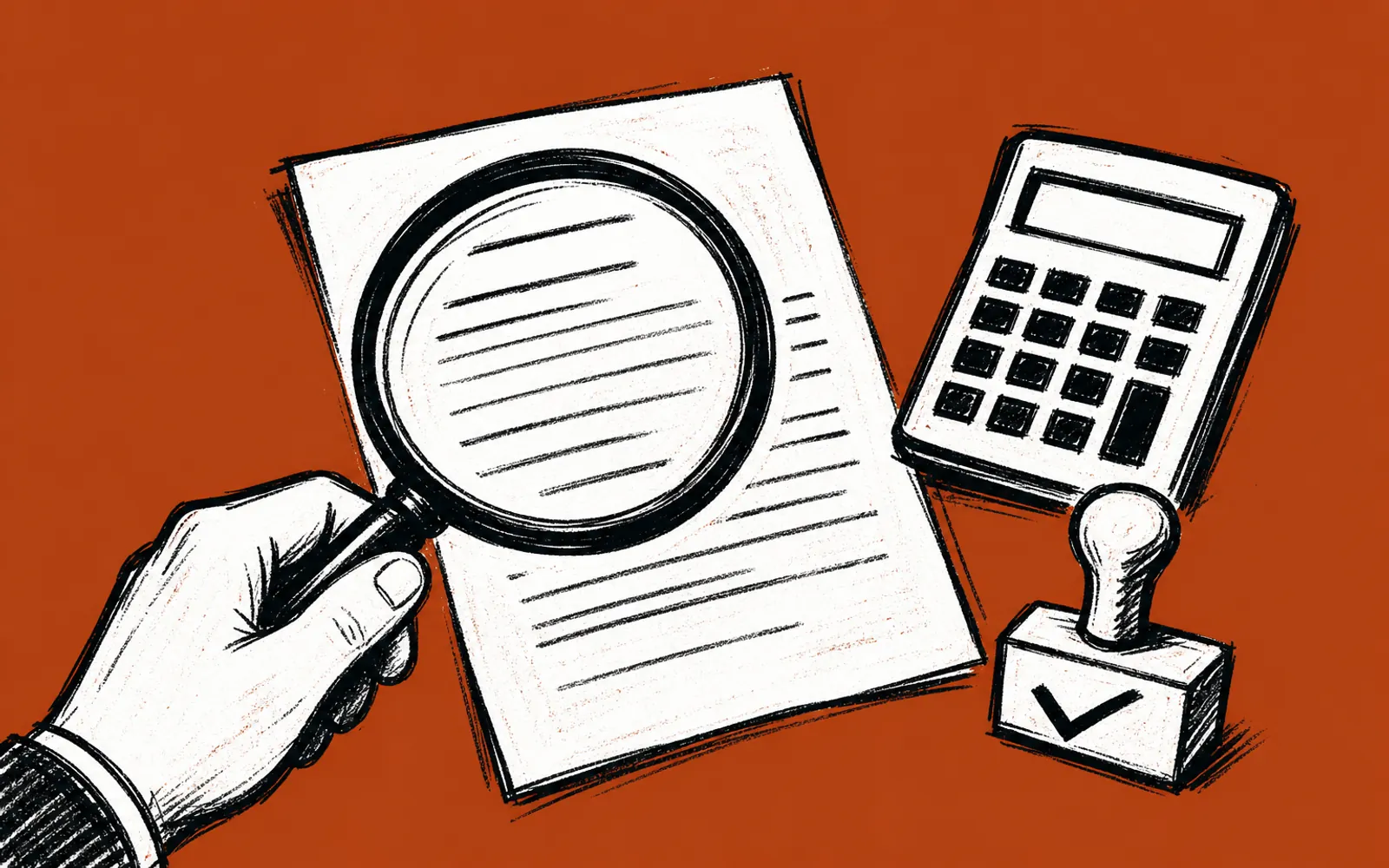
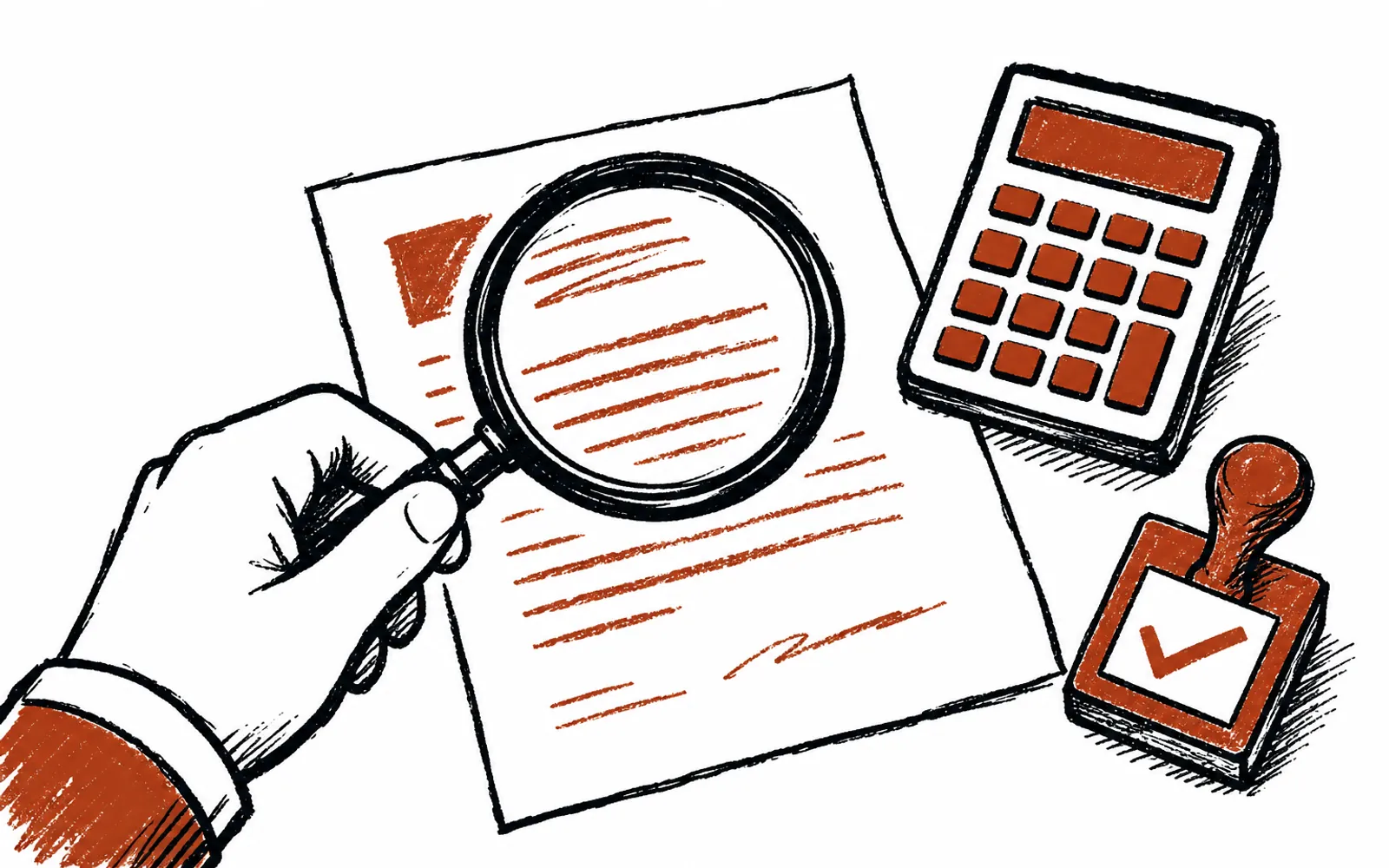
A five-minute pass with five fixed checks catches the mistakes that cost customers, before anything leaves the building.
- The pass takes about five minutes on a typical email or quote
- The pass is five specific checks, in the same order, every time
- It works on anything a customer will read or act on, in any AI tool
- The person who hits send runs the pass
You paste a client email into an AI tool, skim the draft, hit send, and thirty seconds later you see it. The reply promises a start date your crew cannot make because the calendar is booked for three weeks. Or the client's name is spelled the way AI guessed it, not the way she spells it. Now you are writing an apology instead of doing the work.
A five-minute review habit catches almost all of these before anything leaves the building. The pass is five specific checks, in the same order, every time, until it becomes automatic for you and your team. The checks confirm what is on the page, and each one maps to a mistake that actually embarrasses a business in front of a customer.
What the review pass checks
The habit holds because it is narrow. The pass covers five things, each of which catches a specific kind of error. Here is what each check asks you to confirm.
- 01Check the facts
Read every statement about your business, your service, your process, or your history, and confirm each one against what is actually true. AI sounds confident about things it never learned, so treat any specific claim as unverified until you have checked it.
- 02Check the names
Confirm the client's name, the company name, and any staff names against the real records. Spelling, the preferred form of the name, and who you were told to address all get checked here.
- 03Check the numbers
Look at every price, date, quantity, discount, timeframe, and measurement in the draft. Recalculate anything that can be recalculated. A number that is wrong by one digit is still wrong by one digit.
- 04Check the commitments
Find every promise the draft makes and ask whether your business can keep it. Response times, availability dates, scope, warranties, and what is included all count as commitments. Cut anything you are not prepared to stand behind.
- 05Check the tone
Read it once as the customer would. If it sounds pushy, cold, or oddly formal compared with how your business actually talks, soften the lines that stand out. The fastest fix is usually cutting sentences, not adding them.
Where each check earns its keep
The facts check exists because AI generates text that reads as true. A draft might describe your booking process, your turnaround time, or your service area with complete confidence and no basis at all. If the draft states something about your business that you did not tell it, treat that as the first place a customer will catch you out.
The names check is small and saves the most goodwill. People notice their own name spelled wrong before they notice anything else in a message. The same applies to a company name with a stray letter, or a business name you pluralized when the owner does not.
The numbers check is the one with direct financial consequences. A misplaced decimal in a quote, a wrong date on a schedule, or an offer of a discount you revoked months ago all go out the door sounding perfectly reasonable. AI also rounds and restates numbers in ways that change their meaning, so compare against the source, not against the sentence.
The commitments check is where AI drafts cause the most trouble, because AI does not know what your calendar, your cash flow, or your insurance situation can absorb. It will cheerfully promise a reply within the hour, a start date next week, or a free second visit, because promises are easy words to generate. Read the draft as a contract and cross out anything you would not sign.
The tone check protects the relationship. AI drafts often read as smoother or more formal than a small business sounds in person, and customers feel the gap. If your emails normally open with a sentence about the job and the draft opens with a paragraph about your commitment to excellence, that paragraph is the first thing to cut.
Who the habit is for, and who can skip it
The habit is for owners and managers whose teams draft anything with AI, whether that is customer emails, quotes, proposals, social posts, or internal summaries. It costs five minutes and it applies to every tool, because the checks are about what is on the page.
It earns less on output that never reaches a customer and never gets acted on, like a first rough brainstorm you will read and discard. It also sits below a contract review or a compliance review, where the stakes need a professional who can sign off. For everyday business communication, five checks cover the ground.
How to make it stick as a team routine
A habit one person holds is fragile. A habit a whole team shares survives vacation weeks and busy seasons. The steps below turn the five checks into something a team can run without a meeting or a memo.
- 01Name the checks
Write the five words, facts, names, numbers, commitments, tone, where everyone will see them, and call the pass by that name so nobody has to re-explain it.
- 02Pick the outputs that must pass
Decide which drafts always get the full pass, usually anything a customer will read or act on, and which can skip it.
- 03Set the rule at the door
Nothing AI drafted goes to a customer until one person has run the five checks on it. The person who hits send runs the pass.
- 04Log the catches
Keep a simple running list of what the checks caught. The list itself teaches people where AI tends to go wrong in your specific business.
- 05Review the list monthly
Spend ten minutes as a team on what the catches have in common, and adjust the prompts people use so the same errors stop appearing.
One shortcut makes the pass faster over time. Before you draft, put the true facts in the prompt: the real name spellings, the real prices, the real availability. The checks still run afterward, but there is less to catch, because you gave the tool correct material instead of hoping it would guess.